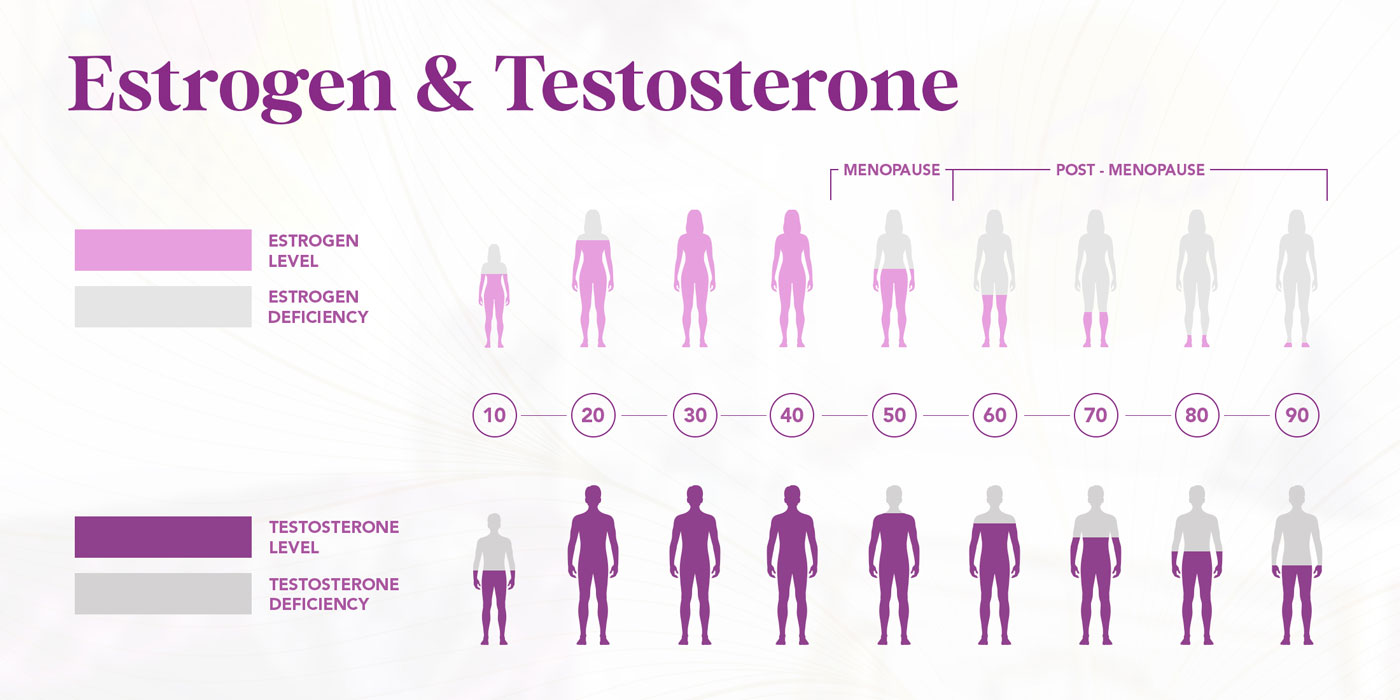
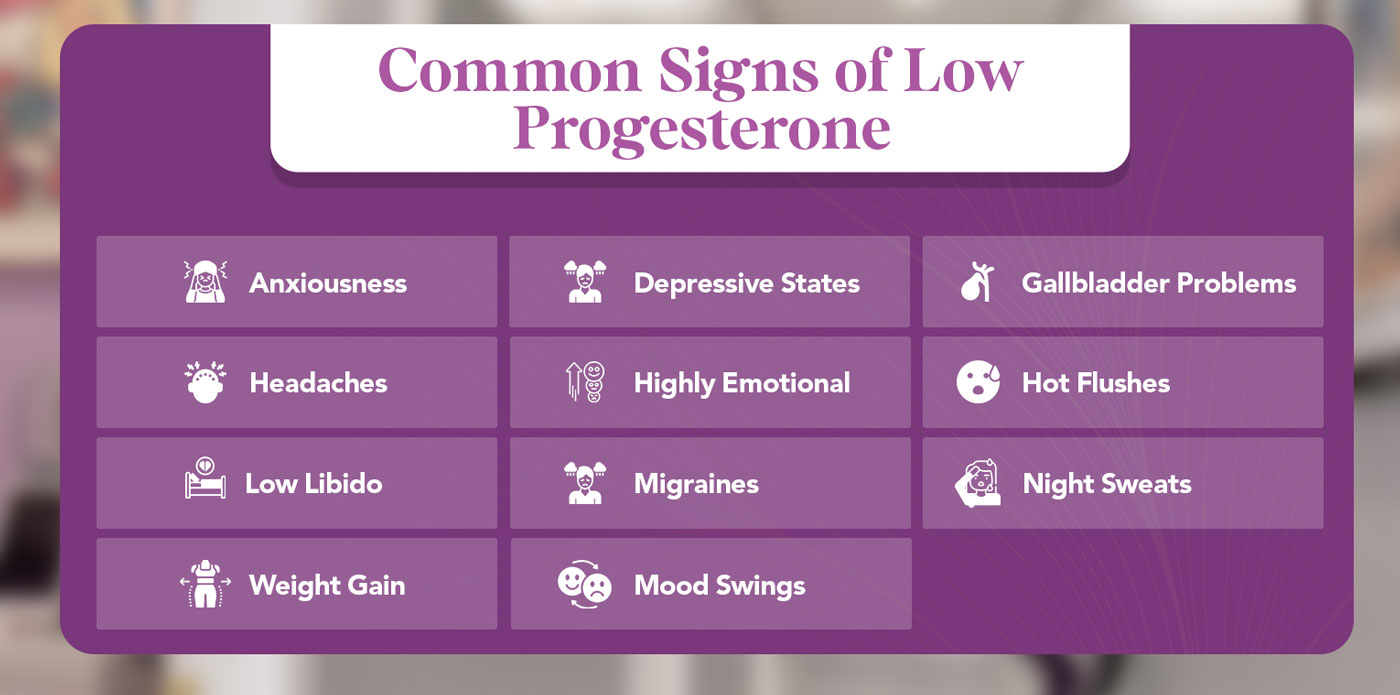
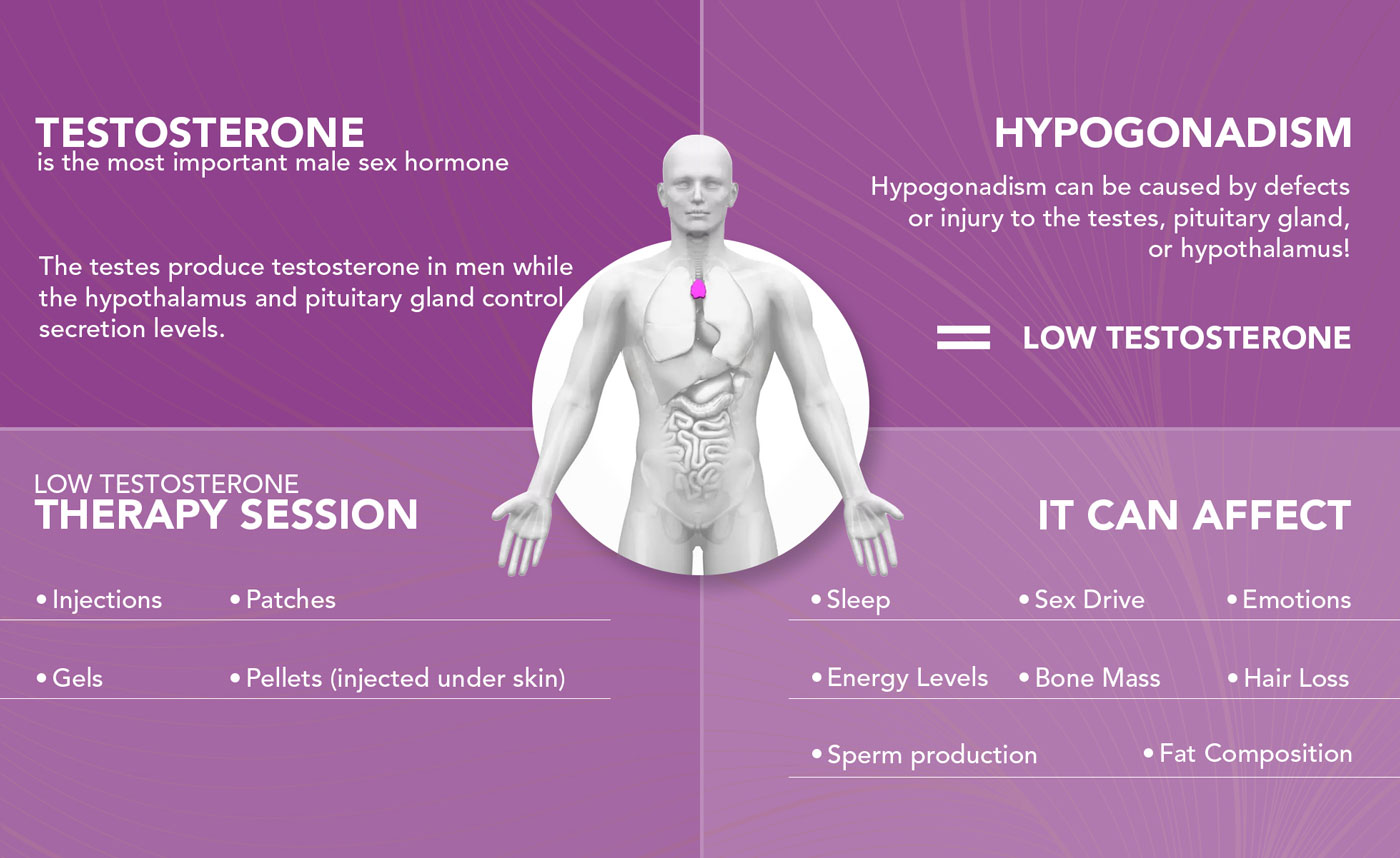
While testosterone therapy is most commonly sought by men over the age of 40, the onset of low testosterone can begin in a man’s early 30s. Initially, symptoms of testosterone deficiency may be subtle and imperceptible, but as they progress, they can significantly impair various facets of a man’s physical and emotional well-being. These symptoms, including fatigue, decreased libido, mood disturbances, and muscle weakness, can gradually escalate, affecting a man’s quality of life and overall health.
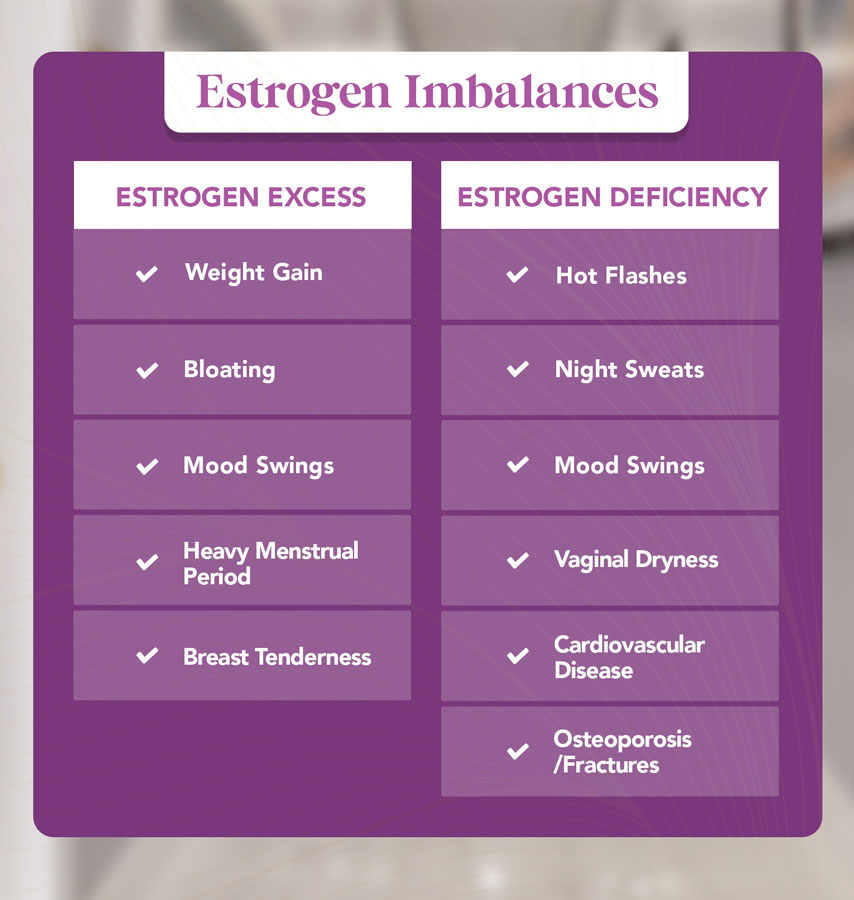
Similarly, for women experiencing symptoms of menopause in their 30s, 40s, or 50s, it is crucial to consider seeking guidance from a healthcare provider about hormone replacement therapy (HRT), even if the symptoms are not yet severe. There is no need to wait until symptoms have become debilitating or until menstruation ceases completely. Hormone replacement therapy is not only intended for women who are already experiencing significant disruption, but can also be beneficial in managing symptoms early on.
Physicians typically assess a woman’s health history comprehensively before prescribing HRT, ensuring that the therapy aligns with her unique needs. HRT is commonly administered systemically, allowing the bloodstream to absorb hormones. Typical delivery forms include oral tablets, topical gels or creams, transdermal patches for women, and injectable hormones for men. While blood tests can offer insight into hormonal levels, treatment is often based on the patient’s age and symptom profile. Initiating hormone therapy early, before symptoms become pronounced, is usually ideal. However, it is essential to recognize that starting HRT is never too late.
Regardless of whether one is approaching midlife or well into their later years, the potential benefits of hormone therapy, such as testosterone supplementation, can enhance health and well-being. Rather than focusing solely on age, consulting with a qualified hormone specialist who will conduct a comprehensive evaluation, including thorough testing and symptom review, is essential before determining an appropriate treatment plan. Such an individualized approach ensures patients receive the most effective, personalized care for their hormonal health.